

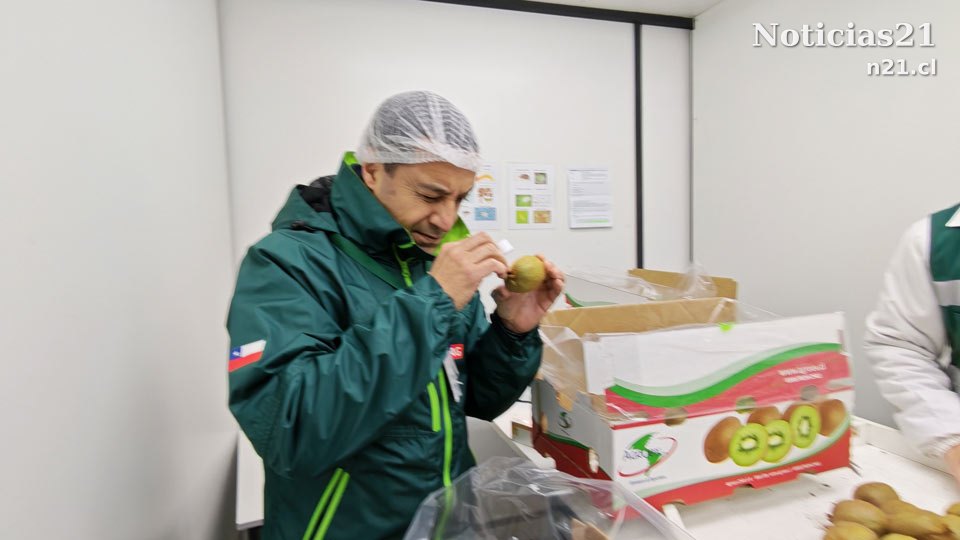
Ñuble continues to strengthen its agricultural sector and international outlook. In preparation for the 2026–2027 fruit export season, the Agricultural and Livestock Service (SAG) held a technical update session with regional exporting companies to improve coordination and anticipate the requirements of international markets.
During the meeting, participants reviewed phytosanitary inspection procedures at export facilities, updated export protocols for markets such as China and South Korea, and discussed common documentation errors and regulatory non-compliance that can delay agricultural shipments.
The session provided an opportunity to share experiences and offer guidance to help companies improve their procedures, meet international requirements, and prevent difficulties throughout the export season.
Ñuble's Regional Minister of Agriculture, Juan Luis Enríquez, highlighted the importance of export activity for the region's economic and social development, emphasizing that every shipment of fruit represents jobs and opportunities for local families.
Meanwhile, Gabriel Bustos, acting regional director of SAG Ñuble, stressed the importance of maintaining ongoing communication between public institutions and the private sector, particularly in response to the challenges of each new season.
One of the topics discussed was the potential impact of weather conditions on production, particularly the possibility of fruit availability becoming concentrated within shorter periods. This could require greater operational capacity from export facilities and inspection teams.
From the private sector, Claudia Muñoz, SAG liaison for Agrícola Cato and El Torreón, welcomed the initiative and highlighted the value of these meetings in identifying areas for improvement. She also noted that Ñuble has increased its exports and opened international markets for new fruit varieties.
Agriculture Creating Opportunities for Ñuble
Preparing for a new export season demonstrates the importance of continuing to strengthen the region's productive, technical, and phytosanitary capabilities.
Coordination between institutions and companies not only helps facilitate international shipments but also creates opportunities for local producers, agricultural workers, and businesses to reach new markets.
For Ñuble, maintaining product quality and expanding commercial opportunities means strengthening an industry that generates employment, reinforces regional identity, and contributes to development across its communes.